
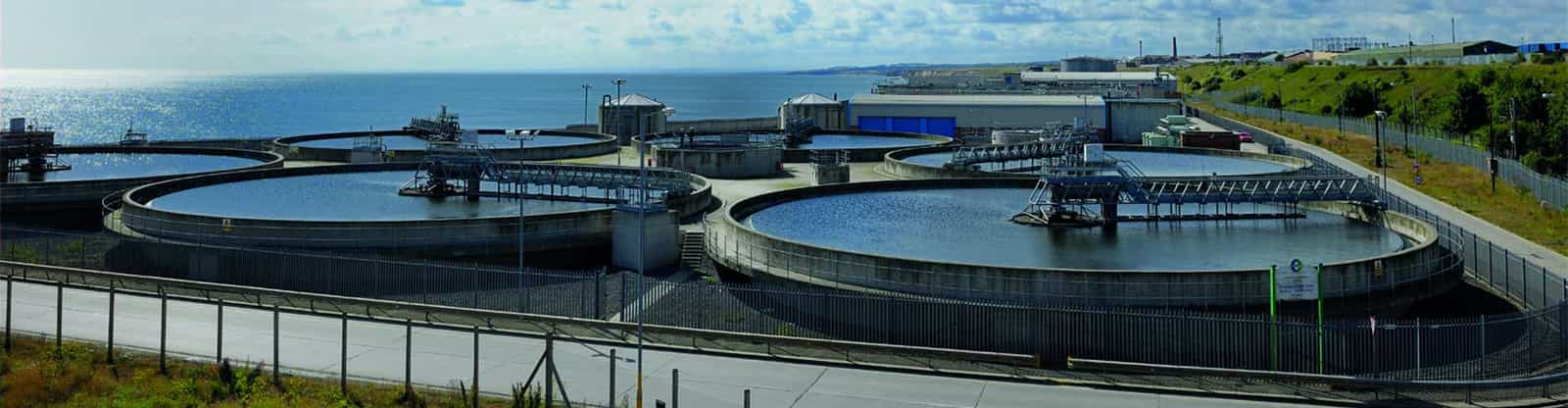
The Wastewater Aeration Control System At Bird Island

Based in Buffalo, New York, Bird Island Wastewater Treatment Plant (WWTP) is one of the largest municipal wastewater treatment facilities in the Northeast. Serving a dry weather design flow of 180 million gallons per day (MGD), the facility relies on effective aeration control to maintain biological treatment performance while minimizing energy consumption.

When the Buffalo Sewer Authority sought to improve aeration efficiency and reduce blower energy costs, it partnered with ROOTS to redesign the facility's dissolved oxygen control system. Using IntelliView® Controls, upgraded RCS actuators, and a flow-based control methodology, the project delivered improved process stability, more efficient airflow management, and significant energy savings.
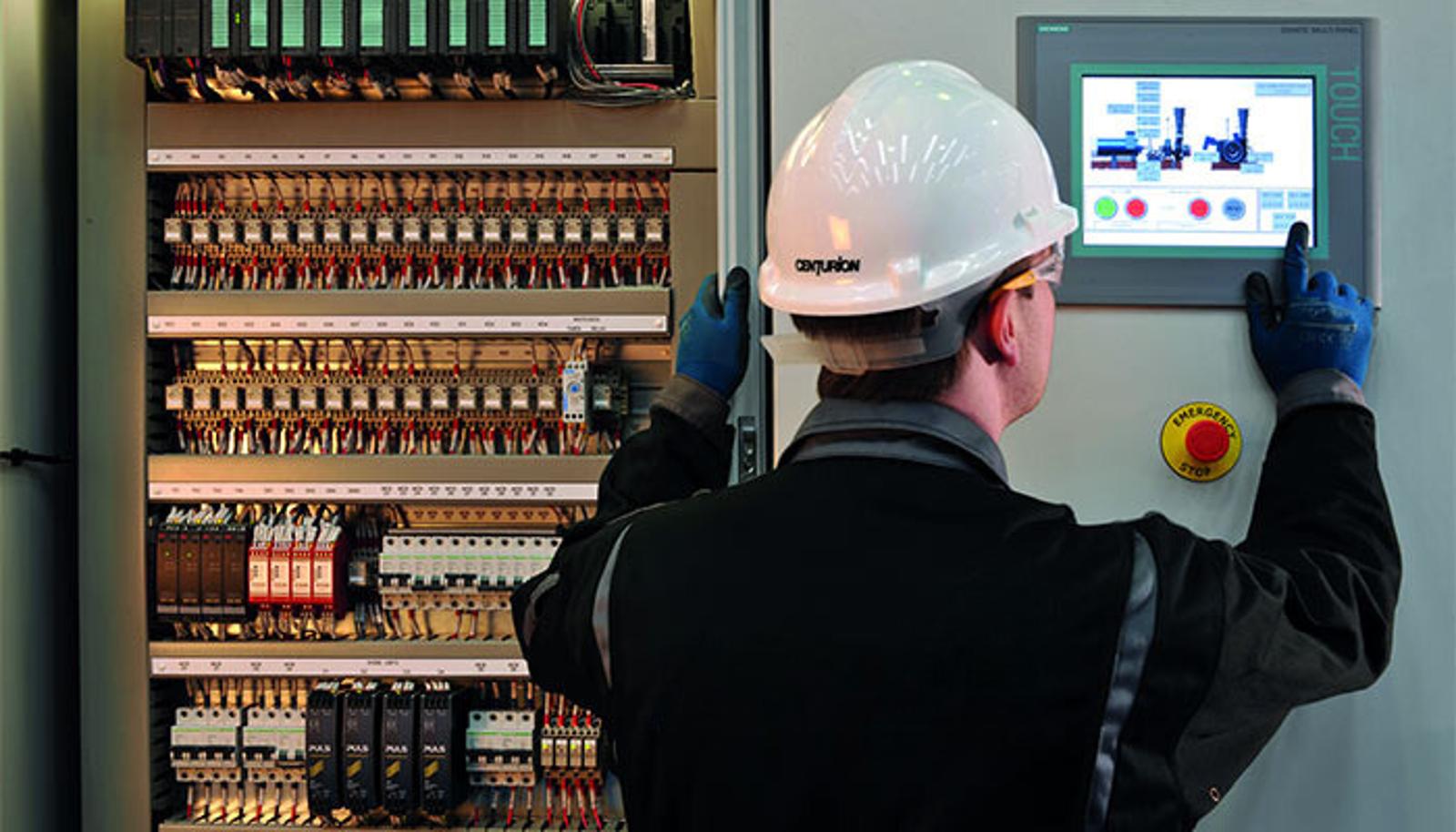
Worker looking at Roots Rotary Blower data

Wastewater Aeration Control Results

Facility Overview

  • 180 MGD wastewater treatment facility
  • 32 aeration basins
  • One of the largest wastewater treatment plants in New York State
  • Largest ROOTS IntelliView® installation commissioned at the time of deployment
  • Solution architecture now deployed at more than 300 wastewater treatment plants throughout the United States


Solution Highlights

  • IntelliView® Controls deployment
  • Upgraded RCS valve actuators
  • DO-to-Flow control strategy
  • Most-Open-Valve control logic
  • Secure remote-access capabilities
  • Advanced blower airflow and pressure management


Key Outcomes

  • Improved dissolved oxygen control
  • Reduced blower energy consumption
  • Lower process variability
  • More stable aeration performance
  • Energy savings exceeding initial projections
  • Accelerated return on investment through utility funding support

What is a Dissolved Oxygen Control System

A dissolved oxygen (DO) control system continuously monitors oxygen levels within wastewater treatment basins and adjusts airflow to maintain optimal biological treatment conditions. Effective wastewater aeration control is critical because aeration systems are often among the largest consumers of energy within a treatment facility.

Modern wastewater blower control systems use dissolved oxygen measurements, airflow monitoring, and automated valve control to match oxygen delivery with process demand. By supplying only the air required for treatment, facilities can improve aeration efficiency, reduce operating costs, and maintain more consistent treatment performance.

The Challenge

Bird Island's existing aeration control system had originally been installed as an efficiency upgrade. The system relied on dissolved oxygen measurements from only a limited number of basins, using averaged readings to control airflow across all 32 aeration zones.

As operating conditions changed, differences in tank loading, aeration requirements, and oxygen transfer rates made it difficult to distribute airflow effectively across the plant. These process variations prevented consistent aeration performance and limited the facility's ability to optimize energy use.

The plant also struggled to accurately regulate airflow because the existing valve actuators lacked the responsiveness needed for precise basin-level control. By 2008, the Buffalo Sewer Authority determined that a more advanced wastewater aeration control strategy was required to reduce blower energy consumption, which represented the facility's largest energy load.

The ROOTS Solution

ROOTS partnered with the Buffalo Sewer Authority to redesign the aeration control strategy and improve dissolved oxygen management throughout the facility. The recommended solution included replacing existing valve actuators with ROOTS RCS actuators featuring a 180-second open-and-close travel time for more precise airflow control. 

In 2011, ROOTS commissioned its largest IntelliView® Controls installation at Bird Island. The system combined: 

  • IntelliView® Controls
  • ROOTS Aeration Master Control Panel
  • RCS actuators
  • Secure remote access
  • Advanced control automation for municipal wastewater treatment applications

The upgraded system was integrated with high-capacity ROOTS blowers to provide the airflow modulation and pressure management required for large-scale aeration operations. The integrated control architecture also improved aeration blower control by automatically adjusting airflow delivery and system pressure based on real-time process demand. 

How DO-to-Flow Control Reduces Energy Consumption

At the heart of the Bird Island project is a flow-based aeration control strategy known as DO-to-Flow control. Rather than relying on averaged measurements across multiple basins, the system uses individual dissolved oxygen readings to calculate the airflow demand of each aeration basin independently. 

Those airflow requirements are then aggregated to determine total system demand and communicate operating adjustments directly to the blower control system. By combining basin-level oxygen monitoring with centralized aeration blower control, the system helps maintain stable treatment conditions while reducing unnecessary energy consumption. 

Projected Energy Savings

To support implementation of the project, the Buffalo Sewer Authority applied for funding assistance through the New York State Energy Research and Development Authority (NYSERDA). The authority documented projected annual savings of 3.8 million kilowatt-hours, representing approximately $345,000 in yearly energy savings.

These savings were expected to result from lowering average dissolved oxygen levels from 3.1 mg/L to 1.5 mg/L through more accurate airflow control and process optimization. NYSERDA agreed to fund up to 50 percent of the project cost and conducted a measurement and verification review to evaluate the assumptions behind the proposed savings. 

The Outcome

The upgraded wastewater aeration control system delivered a highly reliable, demand-based aeration solution that reduced energy costs while maintaining process stability. IntelliView® Controls improved aeration consistency and allowed Bird Island to operate at lower dissolved oxygen setpoints without compromising treatment effectiveness. Through improved airflow management and dissolved oxygen control, Bird Island achieved a practical approach to wastewater aeration optimization that delivered measurable energy savings and operational benefits.

The facility was able to operate at dissolved oxygen levels as low as 0.75 mg/L in the first pass of treatment while maintaining stable performance. This translated into additional energy reductions and improved control over process variability.

Following implementation, NYSERDA's post-project review confirmed that annual energy savings exceeded the original estimates. The resulting energy reductions helped justify the investment and provided the Buffalo Sewer Authority with funding support covering half of the project's overall cost. 

FAQs

A dissolved oxygen control system monitors oxygen levels in wastewater treatment basins and adjusts airflow to maintain optimal biological treatment performance.