

Unplanned downtime in pneumatic conveying systems disrupts production, increases maintenance costs, and compromises safety. Because the blower is central to system performance, improving blower reliability is one of the most effective ways to increase uptime.  

This white paper explores how Minimizing Downtime in Pneumatic Conveying Systems help operators reduce failures, extend maintenance intervals, and improve system efficiency in real-world industrial environments.    
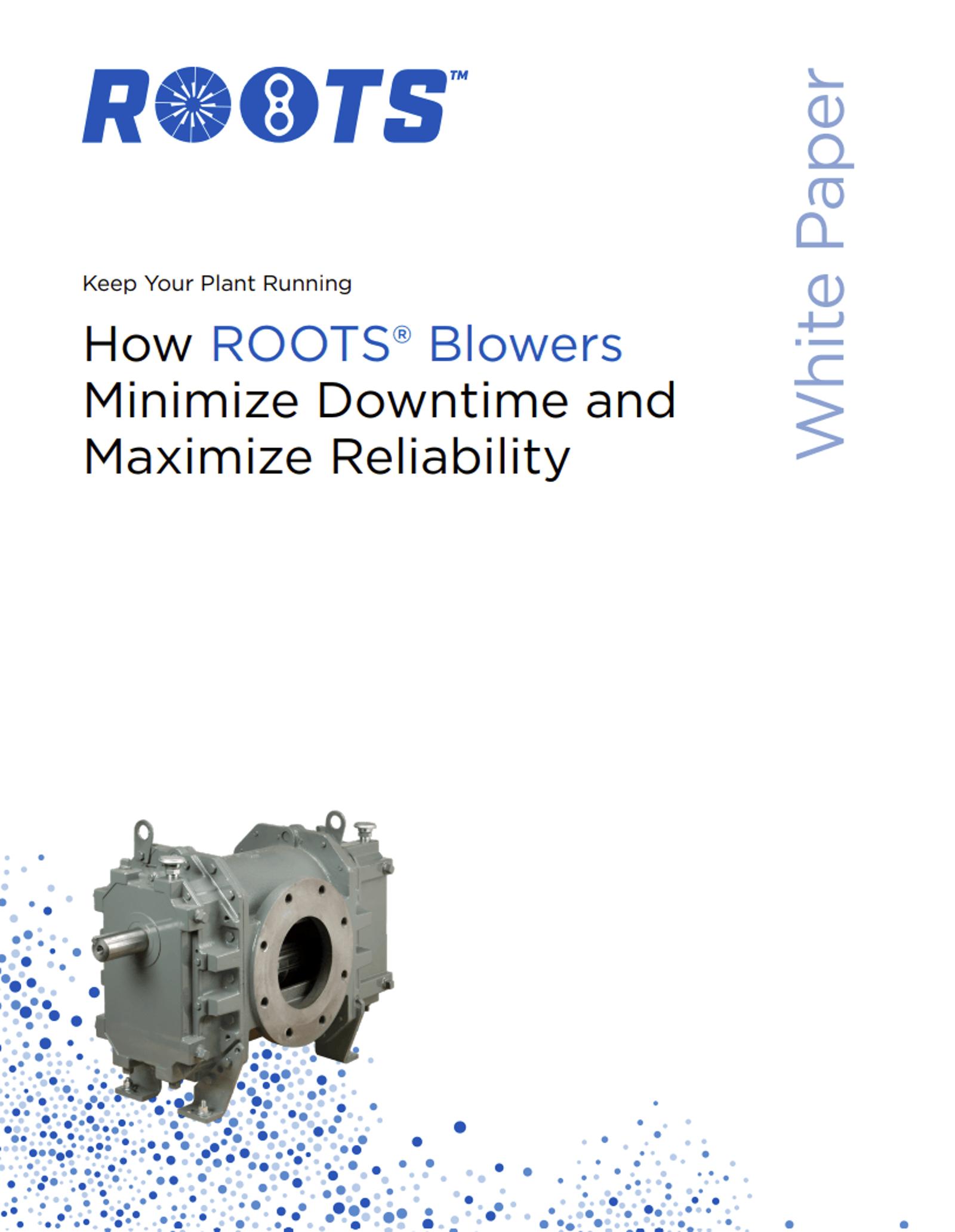
Roots Minimize Downtime Maximize Reliability WhitePaper Cover

Why Downtime Happens in Pneumatic Conveying

Pneumatic conveying operational success depends on stable airflow, pressure, and mechanical reliability. When performance drops, systems experience:  

  • Unexpected blower failures that stop production
  • Increased maintenance frequency and labor costs
  • Energy inefficiencies from inconsistent operation
  • Performance variability under changing process conditions

The blower directly controls airflow and pressure; if it goes down, it has the greatest impact on system uptime and efficiency.   

Key Insights from the White Paper

1. Blower Design Directly Impacts Reliability

Design factors like impeller construction, bearing support, and sealing systems influence uptime, durability, and consistency.

2. Maintenance Strategy Determines Uptime

Simplified lubrication systems and accessible components help reduce both planned and unplanned downtime.

3. Performance Metrics Go Beyond Flow Rate

Reliable systems maintain:

  • Consistent airflow
  • Stable operation under load
  • Low vibration and noise
  • Energy-efficient performance  
Roots Pneumatic Conveying Process Image

How Modern PD Blowers Reduce Downtime

Positive displacement blowers help improve pneumatic conveying performance by: 

  • Maintaining consistent airflow across varying pressures
  • Operating reliably in continuous-duty industrial environments
  • Reducing mechanical wear with precision engineering
  • Supporting longer service intervals through simplified maintenance

These capabilities help prevent cascading failures that can impact production, safety, and delivery schedules.  

Real-World Results in Pneumatic Conveying

In industrial applications, improved blower reliability can lead to measurable operational gains:

  • Reduced energy usage through improved efficiency
  • Lower noise and vibration in operator areas
  • Reduction of unplanned shutdowns over extended periods  
  • Extended maintenance intervals (monthly → quarterly) 
Pneumatic Conveying Industrial image

What You’ll Learn

Download the full white paper to explore: 

  • How blower design affects uptime and reliability
  • Best practices for reducing maintenance requirements
  • How to select the right blower for your application
  • Key performance metrics that drive conveying efficiency

Download the White Paper

Reduce downtime. Improve reliability. Optimize your pneumatic conveying system. 

Country

Your request will be forwarded to the relevant individuals to assist with your request.
By clicking 'Send' you are authorizing Roots to contact you so that we may fulfill your request, as well as to communicate with you regarding our products and services.
Terms and Conditions
Privacy Policy

(* required fields)

This site is protected by reCAPTCHA.

Frequently Asked Questions

Downtime is most often caused by blower-related issues such as component wear, lubrication failure, misalignment, or operating outside design limits.